A new study, supported by the COMPASS project and published in Science Advances, reveals that adaptation measures have significantly reduced flood-related economic losses and fatalities across Europe over the past 70 years.
Researchers from the Potsdam Institute for Climate Impact Research (PIK), together with European partners, analyzed seven decades of flood data and found that non-structural adaptation measures—such as early warning systems, emergency preparedness, and improved building regulations—have reduced economic losses by 63% and fatalities by 52% since 1950.
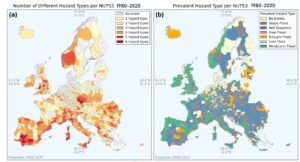
The study examined 1,729 flood events across Europe between 1950 and 2020, assessing how changes in climate, socioeconomics, and adaptation influenced flood impacts. While absolute economic losses have almost doubled from €37 billion in the 1950s to €71 billion in the past decade, losses relative to GDP have dropped to one-third of 1950s levels. This indicates that adaptation efforts have partly offset the increased risk from climate change and urban expansion into floodplains.
However, the study warns that adaptation progress has slowed over the past two decades, and the limits of adaptation may soon be reached as climate change intensifies. “Flood protection and other adaptation measures have largely offset increasing flood risks across the continent since 1950,” says Dominik Paprotny, PIK researcher and lead author of the study. “But additional efforts are needed to prevent future increases in flood losses.”
The research underlines the importance of continuously monitoring adaptation progress and cutting greenhouse gas emissions to keep climate impacts within manageable limits.
Read the PIK press release: 70 years of data show adaptation reducing Europe’s flood losses
Also featured on: UNDRR PreventionWeb
Access the scientific article in Science Advances: DOI: 10.1126/sciadv.adt7068